Scott 3200A Tailwheel – Fully Rebuilt: Precision Steering for Taildragger Aircraft
Scott 3200A Tailwheel – Fully Rebuilt: Precision Steering for Taildragger Aircraft
Blog Article
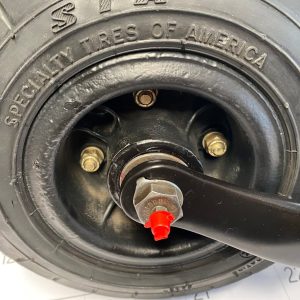
The Scott 3200A Tailwheel – Fully Rebuilt provides aircraft owners, pilots, maintenance facilities, and restoration specialists with a renewed tailwheel solution developed for compatible conventional-gear aircraft. Clear rebuild records help aircraft owners and maintenance professionals evaluate the tailwheel before installation.
The Scott 3200A Tailwheel Assembly combines wheel support, directional steering, swiveling capability, and tail-load management within one compact component. The actual condition of a Scott Tailwheel Assembly should be determined through appropriate inspection rather than cosmetic appearance alone.
An Aircraft Tailwheel Assembly experiences vertical loads, side forces, vibration, steering input, and occasional impact during routine service. The General Aviation Tailwheel should receive maintenance based on actual use, operating surface, contamination exposure, and observed condition.
Whether the goal is a Replacement Aircraft Tailwheel or a broader purchase of General Aviation Landing Gear Parts, qualified review provides the strongest foundation.
Exploring the Scott 3200 Tailwheel Design
Its established design makes it suitable for consideration in restoration projects, utility operations, bush flying, private ownership, and flight training. A system-level evaluation can identify the true cause of binding, looseness, poor centering, irregular tire wear, or inconsistent ground control.
Scott 3200A Tailwheel Assembly Features
Suitable internal clearances and secure steering components contribute to consistent performance. The exact work completed should be listed clearly because rebuilt assemblies may differ in scope and component replacement.
Evaluating a Rebuilt Scott Tailwheel Assembly
Final adjustment and functional testing should confirm that the Scott Tailwheel Assembly operates consistently. A written work summary helps explain how the seller defines the assembly’s condition.
Aircraft Tailwheel Assembly Operation
The assembly carries tail weight while managing runway irregularities, side loads, repeated landing cycles, and directional forces. The entire installation should be reviewed whenever a rebuilt tailwheel is fitted.
General Aviation Tailwheel Reliability
Pavement may increase tire wear and make shimmy more noticeable when alignment or adjustment is poor. Professional verification helps prevent unsuitable installation and unnecessary project expense.
Aircraft Tailwheel Ground Handling
Its geometry, tire condition, fork alignment, steering arrangement, and internal condition can influence ground behavior. The tire should be inspected for cuts, flat spots, cracking, uneven wear, deterioration, contamination, and correct condition.
Taildragger Tailwheel Performance
Taildragger pilots coordinate rudder, brakes, power, and tailwheel input to maintain ground stability. Responsible operation can extend Taildragger Tailwheel service life.
Aviation Tailwheel System Inspection
A worn tail spring or loose mounting bolt may cause poor tracking even when the rebuilt tailwheel remains mechanically serviceable. Springs should remain free from distortion, corrosion, cracking, broken coils, or unsuitable substitution.
Inspecting Tailwheel Steering Components
Springs, pawls, bushings, bearings, steering arms, and internal contact surfaces can influence steering response. Hardware should remain secure, correctly sized, and appropriate for the assembly.
Aircraft Taxi Steering Performance
A correctly adjusted tailwheel may support smoother maneuvering without excessive brake use. Responsible ground movement protects the Aircraft Ground Handling Tailwheel and surrounding structure.
Scott 3200 Tailwheel Applications
The Scott 3200 Series Tailwheel has become familiar within general aviation through its use on numerous conventional-gear aircraft and restoration projects. A visually similar tailwheel may contain important differences affecting installation or Aircraft Ground Handling Tailwheel operation.
Heavy-Duty Aircraft Tailwheel Applications
A larger or heavier-looking assembly is not automatically appropriate for every aircraft. Durability depends on structural condition, bearing service, steering-spring integrity, wheel alignment, lubrication, tire condition, and correct installation.
Maintaining Tailwheel Components
Visually similar hardware can differ in dimensions, material, strength, finish, or mechanical fit. Systematic inspection supports dependable long-term performance.
Aircraft Tailwheel Directional Control
Consistent steering can reduce unnecessary brake use and improve maneuverability in confined locations. Uneven tire wear may indicate alignment, bearing, or steering concerns.
Benefits of a Replacement Aircraft Tailwheel
A Replacement Aircraft Tailwheel should be selected through exact aircraft application, mounting details, tail-spring configuration, steering arrangement, and suitable technical information. The replacement should be inspected after delivery for shipping damage, missing components, rough bearings, incorrect hardware, cracks, or visible defects.
Maintaining General Aviation Gear Components
The tailwheel should be considered within the broader condition and alignment of the aircraft landing gear. Used or rebuilt landing gear parts should be listed with accurate identification, condition, rebuild history, package contents, and available documentation.
Inspecting a Fully Rebuilt Scott 3200A
The seller should disclose which parts were replaced, which components were retained, and whether repairs or limitations remain.
- Verify the tailwheel model, mounting dimensions, steering-arm arrangement, wheel size, and package contents through suitable references.
- Do not treat clean paint, fresh grease, or bright hardware as proof of a complete mechanical rebuild.
- Confirm the seller’s terms, written invoice, rebuild documents, payment protection, shipping insurance, packaging method, inspection period, and return conditions.
Scott Tailwheel Fitment and Adjustment
Professional installation helps protect both the rebuilt Scott 3200A and the aircraft structure. The steering linkage should respond properly without restricting rudder movement.
Testing should begin at low speed in a suitable area under safe conditions.
Scott Tailwheel Maintenance Guide
Consistent servicing protects the value of the Scott 3200A Tailwheel – Fully Rebuilt. Pilots should inspect the tailwheel before operation for tire damage, loose hardware, bent parts, steering-link condition, contamination, corrosion, and visible misalignment.
Responsible care supports dependable Scott Tailwheel Assembly performance.
Choosing the Scott 3200A Tailwheel – Fully Rebuilt
For the correct installation, the rebuilt assembly can support directional steering, controlled swiveling, predictable taxiing, and long-term serviceability. Buyers should request detailed photographs, rebuild records, accurate condition disclosures, secure transaction terms, qualified review, and protective shipping.
Whether the project involves an Aircraft Ground Handling Tailwheel, Scott 3200 Series Tailwheel, Heavy-Duty Aircraft Tailwheel, or Tailwheel Aircraft Parts, rebuild documentation should be reviewed carefully. With qualified evaluation and continued care, the Scott 3200A Tailwheel – Fully Rebuilt can deliver a professional combination of durability, directional control, and reliable aircraft ground performance.
Report this page